The Psychology of Pricing Your Home: Why It Matters
The Psychology of Pricing Your Home: Why It Matters
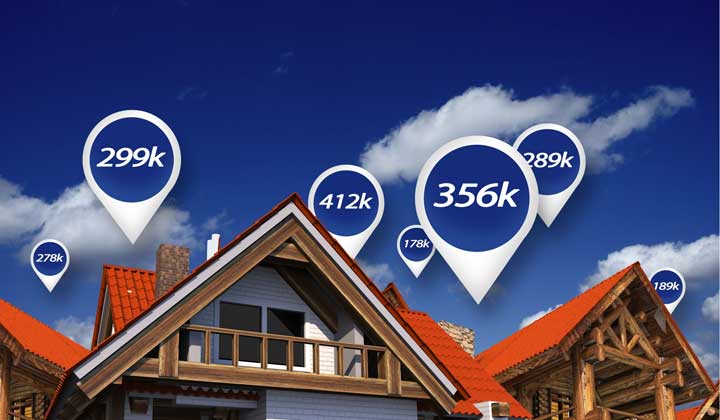
When it comes to selling your home, pricing isn’t just about crunching numbers—it's about understanding how buyers think. Psychology plays a significant role in how buyers perceive value, which can make or break your sale. By integrating proven psychological strategies into your pricing approach, you can attract more interest, generate competition, and close the deal faster. Here’s how.
1. Charm Pricing: The Power of Nines
Charm pricing, or setting a price just below a round number, is a subtle yet effective tactic. For example, pricing your home at $399,000 instead of $400,000 makes the price appear significantly lower, even though the difference is minimal. This phenomenon taps into cognitive biases, making buyers perceive greater value.
- Why It Works: Buyers are drawn to prices that feel smaller, even if the difference is only $1.
- Stat to Know: Research shows homes priced with "9" endings (e.g., $399,000) sell faster than those with rounded prices.
When using charm pricing, ensure it aligns with market expectations. An appealing price may spark interest, but it must also reflect the property’s true value.
2. Anchoring: Setting the Reference Point
The first price buyers see—your listing price—creates an "anchor" that shapes how they perceive the home’s value. Buyers will evaluate your home relative to this anchor, so setting it strategically is critical.
- High Anchors: Suggest premium value but may deter cost-conscious buyers if perceived as overpriced.
- Low Anchors: Generate more interest and create competition, potentially driving up the final sale price.
Example: A study by the National Bureau of Economic Research found that homes listed slightly below comparable properties receive 17% more online views, which often leads to quicker sales.
3. Loss Aversion: Pricing Relative to Purchase Price
Sellers often base their asking price on their original purchase price, aiming to avoid "losing money." This psychological tendency, known as loss aversion, can be counterproductive. Overpricing a home to avoid a loss might result in fewer offers and extended time on the market.
- Why It’s Risky: Research shows that overpricing a property by just 10% can reduce showings by 30%.
- Pro Tip: Focus on current market conditions rather than past purchase prices to stay competitive.
4. The Sweet Spot: Combining Psychology with Data
While psychological pricing strategies can boost your home’s appeal, they work best when grounded in market data. Use comparable sales (comps), market trends, and a real estate professional’s guidance to identify the "sweet spot"—a price that feels right to buyers while maximizing your profit.
Key Takeaways for Sellers
- Price Competitively: Charm pricing and anchoring can attract more buyers, but they must align with market conditions.
- Leverage Buyer Psychology: Understand how buyers think to present your home as a compelling opportunity.
- Work with Experts: Real estate professionals combine psychological insights with data-driven strategies to set the perfect price.
By combining psychological pricing techniques with a solid understanding of the market, you can set your home up for success. Ready to sell? Reach out today for a personalized pricing strategy that works!


Comments
Post a Comment